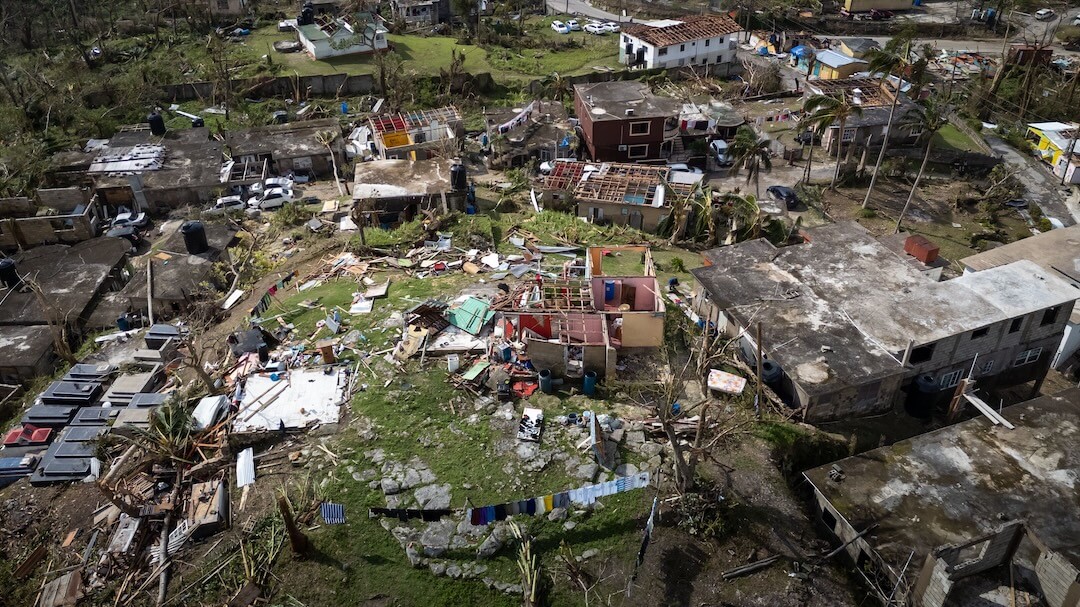
Trees add beauty, shade, and curb appeal to a property. However, during Florida’s storm season, trees can quickly become one of the biggest threats to your roof.
Every year, homeowners throughout Palm Coast and the surrounding areas experience roof damage caused by falling limbs, rubbing branches, and storm-driven debris.
Understanding these risks can help protect your home before the next storm arrives.
The Most Common Tree-Related Roof Damage
Many homeowners think tree damage only occurs when a large tree falls on a house. While that certainly happens, most tree-related roof damage is actually caused by smaller issues that develop over time.
Common examples include:
- Falling tree limbs
- Branches scraping shingles
- Debris accumulation in valleys
- Clogged gutters
- Excessive shade leading to algae growth
- Wind-driven branches impacting roofing materials
Even a small branch can damage shingles or flashing when strong winds are involved.
Falling Limbs During Storms
One of the most common causes of roof damage during hurricanes and severe thunderstorms is falling tree limbs.
Heavy branches can:
- Crack shingles
- Damage underlayment
- Puncture roofing systems
- Break roof decking
- Damage gutters and fascia
- Create openings that allow water intrusion
Sometimes the damage is obvious. Other times, a limb may only loosen shingles or create minor damage that isn’t discovered until a leak develops months later.
Branches That Rub Against the Roof
Not all tree damage happens during a storm.
Branches that touch your roof can slowly wear away roofing materials over time.
As wind moves the branches back and forth, they can:
- Remove protective granules
- Scratch metal roofing panels
- Lift shingles
- Damage flashing
- Wear through sealant around roof penetrations
What appears to be harmless contact can shorten the life of a roofing system.
Leaves and Pine Needles Cause Problems Too
Florida homeowners often focus on large branches while overlooking smaller debris.
Leaves and pine needles commonly collect in:
- Roof valleys
- Behind chimneys
- Around skylights
- Gutters
- Roof-to-wall transitions
When debris traps moisture against roofing materials, deterioration can accelerate.
Standing moisture can contribute to:
- Algae growth
- Mold growth
- Wood rot
- Premature shingle aging
- Water intrusion
Trees Increase Storm Risks
Trees located close to a home become more dangerous as storm winds increase.
During hurricanes and severe weather events:
- Limbs become airborne
- Entire trees can uproot
- Debris impacts roofing materials
- Gutters can be torn away
- Roof penetrations become vulnerable
Even healthy trees can lose branches during major storms.
Dead or weakened trees pose an even greater risk.
Signs Trees May Be Affecting Your Roof
Homeowners should watch for:
- Branches touching the roof
- Accumulated leaves or pine needles
- Damaged gutters
- Missing shingle granules
- Scratches on metal roofing
- Broken or lifted shingles
- Moss or algae growth in shaded areas
If you notice any of these signs, it may be time for a roof inspection.
How to Reduce Tree-Related Roof Damage
A few preventative measures can significantly reduce risk.
Consider:
- Trimming branches away from the roof
- Removing dead or diseased limbs
- Cleaning gutters regularly
- Removing debris from roof valleys
- Inspecting trees before hurricane season
- Scheduling annual roof inspections
Preventative maintenance is almost always less expensive than repairing storm damage.
The Bottom Line
Trees are a valuable part of many Florida properties, but they can also create significant risks for your roof during storm season.
Regular tree maintenance and roof inspections help homeowners identify potential problems before they become costly repairs.
If your property has trees close to the home, a professional roof inspection can help determine whether storm damage, branch contact, or debris buildup is affecting your roofing system.
At Lineage Roofing & Construction, we help homeowners throughout Palm Coast, Flagler County, Volusia County, and St. Johns County identify roofing issues before they turn into major problems.