Let’s be honest — if you live in Florida, you’ve made peace with the heat. Your roof, though? It never gets a break. Florida heat roof damage is one of the sneakiest threats your home faces, because it happens slowly and quietly while you go about your day. Year after year, that relentless sun ages your roofing materials and chips away at their strength — right up until a storm puts them to the test.
So let’s pull back the curtain on what the sun is really doing up there, what to look for, and how to stay one step ahead.
What Causes Florida Heat Roof Damage?
Here’s the thing: your roof works overtime in the Sunshine State. The sun shows up nearly every day, and your roofing materials soak up heat, humidity, and UV right along with it.
In fact, a dark roof can hit 150°F or hotter in the summer sun — way above the actual air temperature. Because of that, the wear and tear piles up fast, even on a roof that looks perfectly fine from the curb.
The tricky part? Florida heat roof damage isn’t a one-and-done event. Instead, it builds season after season until your roof just can’t keep up.
How Florida Heat Ages Asphalt Shingles
Asphalt shingles are the go-to choice for most Florida homes. Unfortunately, they’re also a bit of a heat softie.
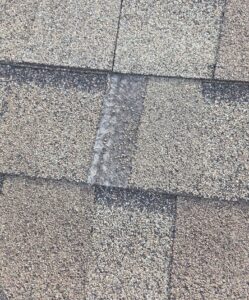
Shingles are basically asphalt plus a layer of protective granules. When things heat up, the asphalt dries out and loses its natural oils. Over time, that makes shingles brittle — so they start to curl, crack, and shed those granules.
Ever spot little sand-like bits in your gutters? That’s a telltale sign of heat damage to your roof. And once those granules wash away, the shingle loses its sunscreen — so the aging only speeds up from there.
UV Rays and Your Roofing Materials
Heat is only half the story. The sun’s UV rays are just as tough on your roof.
UV breaks down the chemical bonds inside many roofing materials. For example, it dries out asphalt, fades color, and weakens sealants. And because Florida basically lives in sunshine year-round, that breakdown happens faster here than almost anywhere else.
Put heat and UV together, and you’ve got the one-two punch that makes Florida heat roof damage so aggressive.
Thermal Cycling: Your Roof’s Daily Workout
Your roof heats up all day, then cools off at night. That constant expanding and shrinking has a name: thermal cycling.
Sounds harmless, right? Not quite. It puts steady stress on every part of your roof. Over thousands of cycles, materials loosen, fasteners wiggle out, and seams start to pull apart. Eventually, tiny gaps form — and that’s all water needs to sneak in.
So even a roof that looks great can be quietly wearing down from the inside.
How Florida Heat Affects Different Roofing Materials
Florida heat roof damage shows up a little differently depending on what’s over your head. Here’s the quick rundown.
Asphalt Shingles
These age the fastest. Heat dries them out, UV strips their armor, and they tend to tap out sooner here than in cooler states.
Metal Roofing
Metal takes the heat like a champ — but it still expands and contracts. Over time, fasteners and seams can loosen up. Even so, it’s one of the more heat-friendly options out there.
Tile Roofing
Clay and concrete tile shrug off heat and UV beautifully. However, the underlayment hiding underneath still ages, so it’ll need replacing down the road.
Flat and Low-Slope Roofs
These soak up the most direct sun. As a result, the membrane can blister, crack, or dry out quicker than a sloped roof.
Why Heat-Aged Roofs Fail During Hurricanes
Okay, this is the part to really pay attention to.
A roof that’s been baking for years is far more likely to fail when a storm rolls through. Brittle shingles peel off in high wind. Loose fasteners give way. Dried-out sealants let water push right in.
In other words, all that slow heat damage sets the stage for fast, expensive storm damage. By the time a big one hits, an aged roof simply doesn’t have the muscle it used to.
That’s why protecting your roof from the heat is really about protecting your whole home come hurricane season.
Signs of Florida Heat Roof Damage
Good news — you don’t have to climb a ladder to play detective. Just keep an eye out for these clues from the ground:
- Granules piling up in gutters or downspouts
- Shingles that look curled, cracked, or bald
- Faded or patchy color across the roof
- Soft, spongy, or sagging spots
- A sneaky climb in your cooling bills
Spot any of these? It’s a great time to act before storm season shows up.

How to Protect Your Roof From Florida Heat
Here’s the encouraging part: you can absolutely slow this down. A few easy habits go a long way.
First, book regular roof inspections — ideally before hurricane season. Next, keep your attic well ventilated, since trapped heat ages your roof from below. Also, clear off debris and trim back nearby branches to cut down on extra wear.
And when it’s finally time for a new roof? Go with materials built for serious heat and sun. Quality shingles plus a solid install make a world of difference in the Florida climate.
The Bottom Line
Florida heat roof damage is slow, sneaky, and easy to forget about — until a storm drags it into the spotlight. Little by little, the sun ages your roofing materials and quietly drains their strength. And that lost strength is exactly what can turn a manageable storm into a major headache.
The fix is simple: know what the heat is doing up there, and stay ahead of it. A little attention today can save you a big repair tomorrow — and keep your family safer when the next hurricane comes knocking.